Midcoast Wall & Floor Tiling
Bathroom Tiling in Coffs Harbour
Servicing the entire Coffs Coast and surrounds, we focus on doing the job right, delivering quality tiling and waterproofing that adds lasting value to your space.
Bathroom Tiling
Designed for Wet Areas
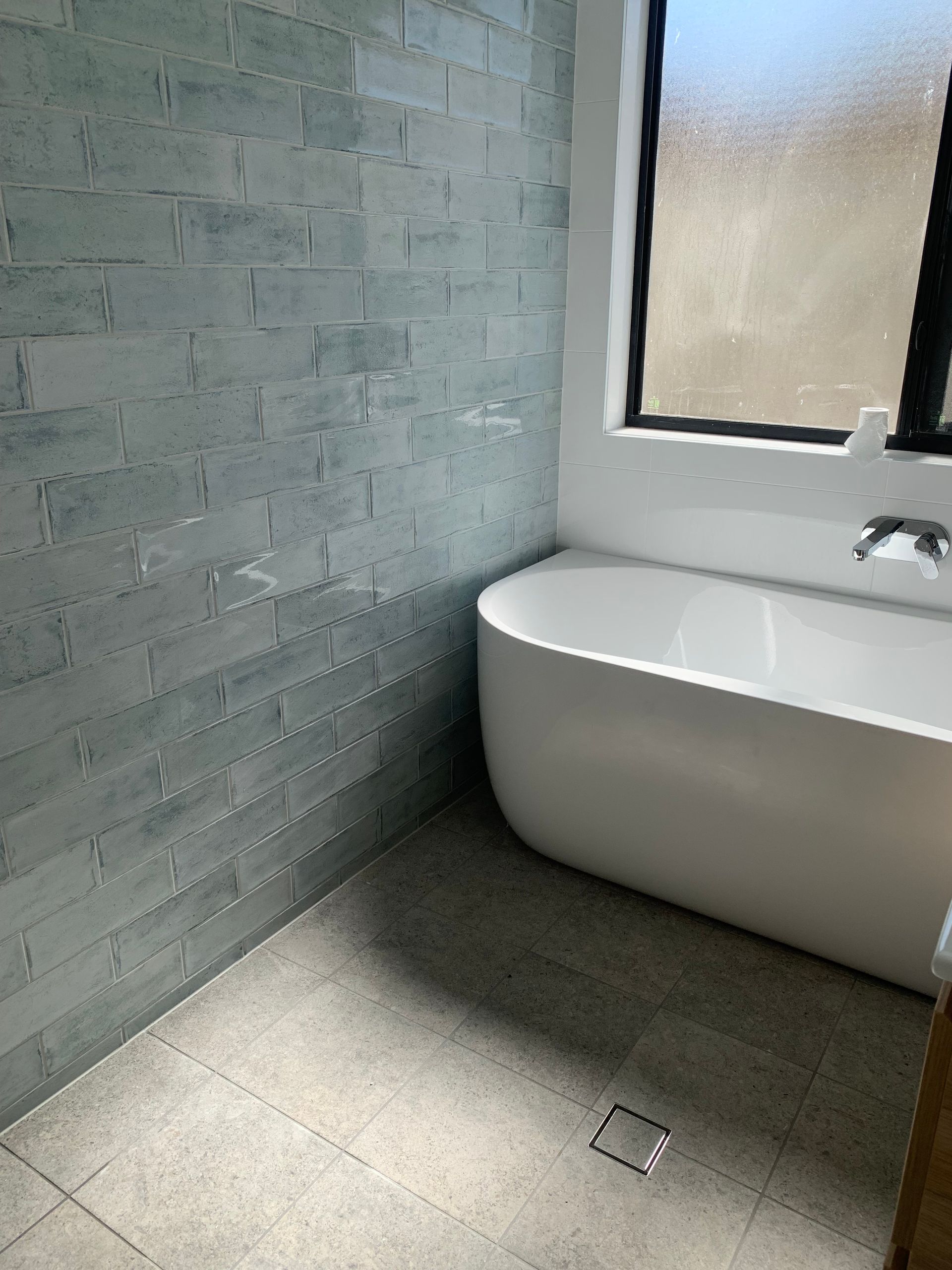
A great bathroom is not just about how it looks. It is about what is happening behind the tiles. Poor waterproofing and rushed installation are two of the biggest reasons bathrooms fail over time, leading to leaks, loose tiles and costly repairs. That is why bathroom tiling needs to be approached with care from the very beginning.
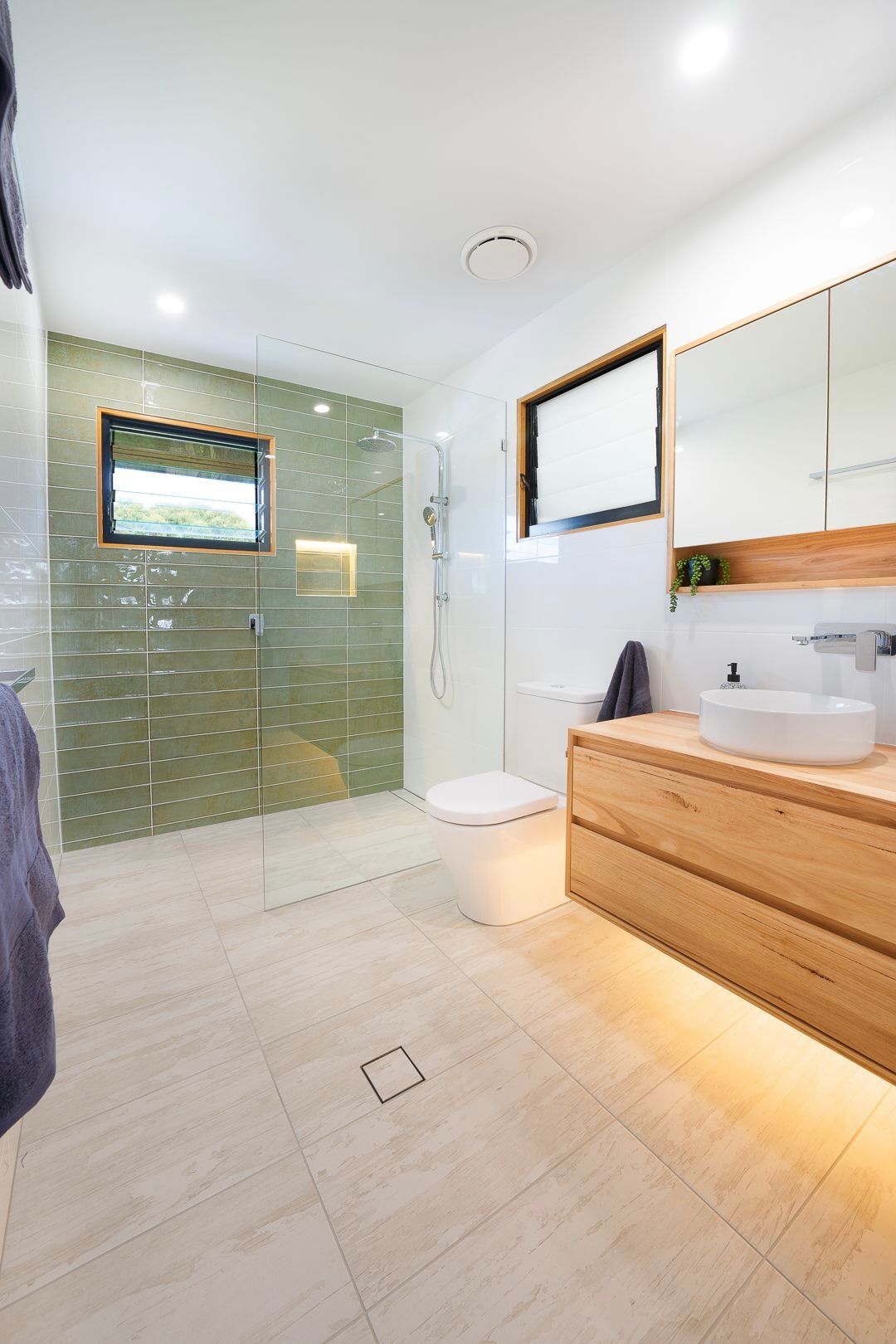
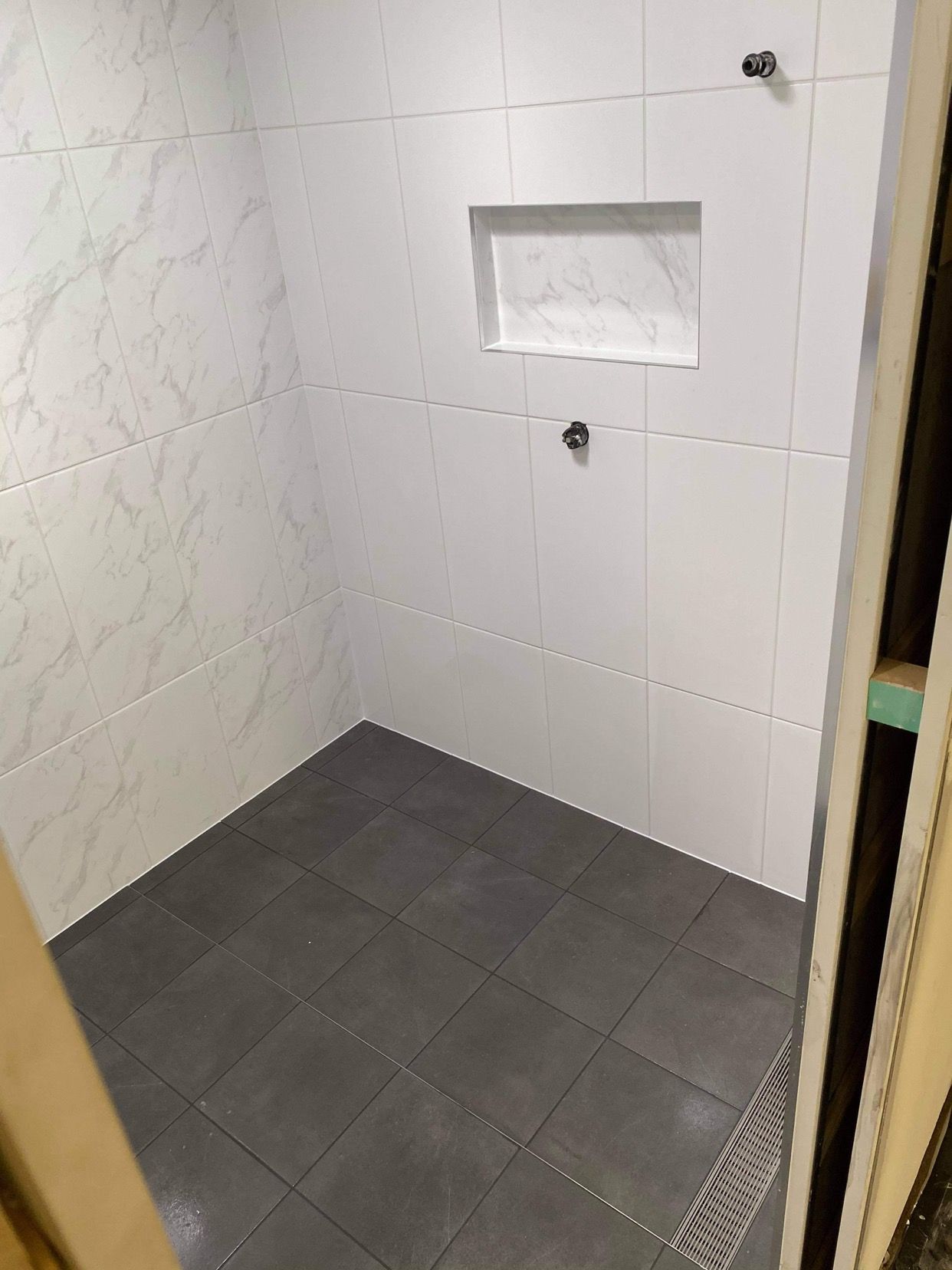
At Midcoast Wall & Floor Tiling, we provide professional bathroom tiling in Coffs Harbour, focusing on proper preparation, compliant waterproofing and clean, consistent finishes. Whether you are renovating an outdated bathroom or building new, every detail matters. From accurate set-outs and straight grout lines to neatly finished niches and shower recesses, the goal is a bathroom that looks sharp and performs reliably for years.
If you are planning bathroom tiling in Coffs Harbour and want it done right from the ground up, call 0402 278 450 to organise your free quote.
Need Help?
Frequently Asked Questions
What happens if bathroom waterproofing is done incorrectly?
Incorrect waterproofing can lead to serious long-term problems. Water may seep behind tiles and into walls or flooring, causing structural damage, mould growth and deterioration of surrounding materials. Often, these issues are not visible until significant damage has occurred. Fixing failed waterproofing typically requires removing tiles and starting again, which is why proper membrane application and curing time are critical before tiling begins.
What tiles are best for bathroom floors?
Bathroom floor tiles should be water-resistant, durable and offer appropriate slip resistance. Porcelain tiles are commonly used because they are dense and handle moisture well. Smaller tiles or those with textured surfaces can provide better grip in wet areas such as shower floors. It is important to select tiles that are specifically rated for floor use rather than wall-only products to ensure safety and longevity.
How do you know if bathroom tiles need replacing?
Signs that bathroom tiles may need replacing include cracked or loose tiles, crumbling grout, persistent mould growth or a hollow sound when tiles are tapped. Water stains on ceilings below an upstairs bathroom can also indicate failure beneath the surface. If tiles are outdated but still structurally sound, replacement may be cosmetic. However, if there are signs of moisture damage, it is important to have the area assessed to prevent further structural issues.
Send Us a Message
Contact Us
Thank you for contacting Midcoast Wall & Floor Tiling.
We will get back to you as soon as possible.
Oops, there was an error sending your message.
Please try again later.
Why Choose Us
Clean Lines, Lasting Results
Bathroom tiling plays a huge role in both function and style. The right layout can make a smaller bathroom feel larger, while well-chosen tiles can completely change the feel of the space. Large format tiles create a seamless look with fewer grout lines, while feature tiles can add depth and personality.
Beyond appearance, correct installation ensures long-term durability. Edges need to be aligned neatly around vanities, tapware and fixtures. Transitions between wall and floor tiles should be consistent and clean. These are the details that separate an average finish from a bathroom that truly feels well-built.
Good bathroom tiling should feel solid underfoot, look balanced from every angle and require minimal maintenance. Taking the time to get the preparation, waterproofing and layout right helps avoid cracked grout, lifting tiles or hidden water damage down the track. If you are renovating, it is worth investing in an installation that prioritises both appearance and long-term performance.
Your Renovation
Decisions That Shape the Result
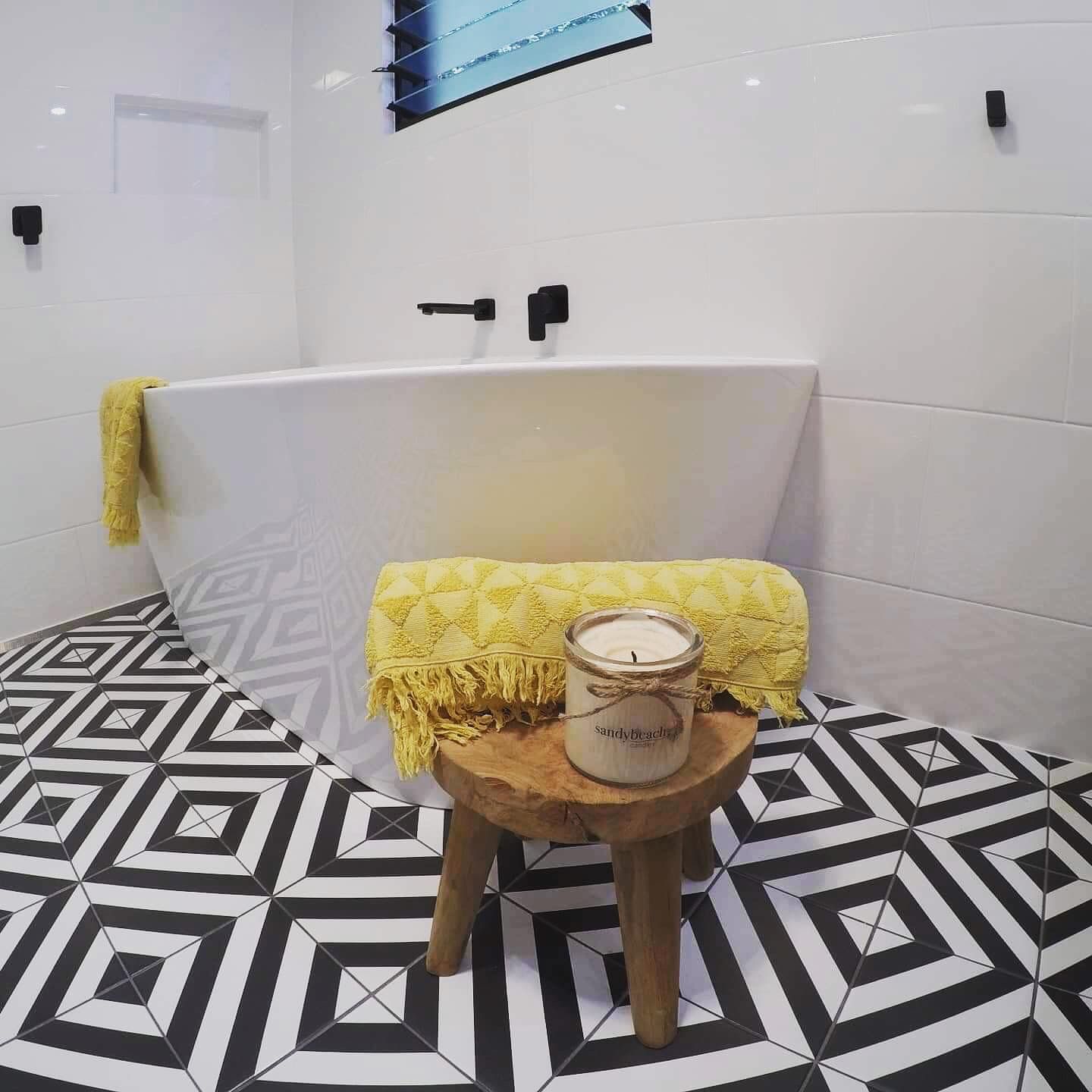
A bathroom renovation is one of the most involved tiling projects a home can go through, and the decisions made early have a big impact on the finished result. Before any tiles go up, there are practical considerations to work through — how the layout will flow, where natural light falls, how large the space is and how much foot traffic the room handles day to day. The same thinking applies whether you are also updating kitchen tiling or laying new floor tiles as part of a broader renovation.
Tile size and format play a bigger role than most people expect. Larger tiles can make a compact bathroom feel more open, but they require a flatter, more carefully prepared surface to sit properly. Smaller mosaic-style tiles offer more flexibility on curved or uneven surfaces and add texture to shower floors. Grout colour is another detail worth thinking through early, as it affects how easy the bathroom is to maintain and how the overall finish reads once the job is complete.
Getting these decisions right before work begins makes the whole renovation smoother and helps avoid changes mid-project. We are happy to talk through your options during the quoting stage.



